Table Of Content
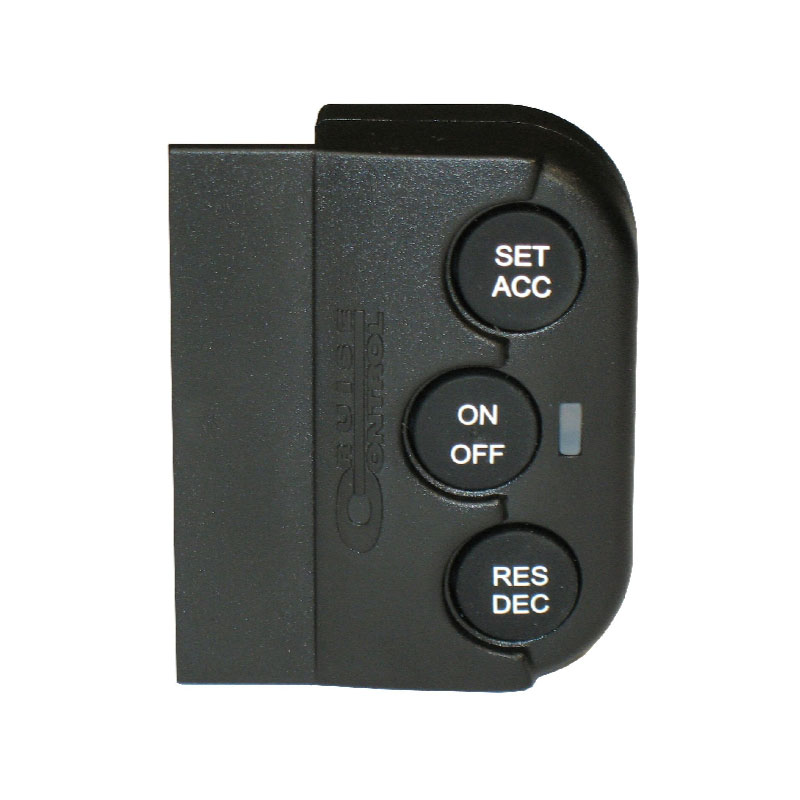
Teetor became the Vice President of Engineering for Perfect Circle, and later the President. He also worked to develop technology for steam turbine rotors used in torpedo boat destroyers during World War I. Cruise control is a common feature in modern cars that allows the driver to set a constant speed without having to constantly press the accelerator pedal. It has become an essential feature for long-distance driving, making journeys more comfortable and reducing driver fatigue. But have you ever wondered about the history of cruise control and how it evolved to what we use today?
The Interesting History Behind Cruise Control Feature In Cars
The Evolution of Modern Car Technology - CarBuzz
The Evolution of Modern Car Technology.
Posted: Mon, 25 May 2020 07:00:00 GMT [source]
During the early development of cruise control, engineers faced numerous challenges. They had to overcome technical limitations, such as finding ways to maintain a constant speed and ensuring smooth acceleration and deceleration. Automotive manufacturers expanded their reach internationally and faced the challenge of adapting cruise control to suit the preferences and driving conditions of different regions. Early versions of cruise control lacked the sophistication and reliability we see today.
Ralph Teetor’s Childhood & Career
When he was just five, Teetor accidentally blinded one eye while playing with a knife. Within a year, sympathetic opthalmia, a condition in which trauma to one eye induces damage to the other, rendered him completely blind. Another inventor named Harold Exline, working independently of Riley, also invented a type of cruise control that he first installed on his car and friends' cars. Speed control existed in early automobiles such as the Wilson-Pilcher in the early 1900s. The initial concept of cruising for pleasure goes back long before both Fee’s and my time.
Porsche Macan EV Turbo: A Formidable Entrant in the Luxury Electric Vehicle Market
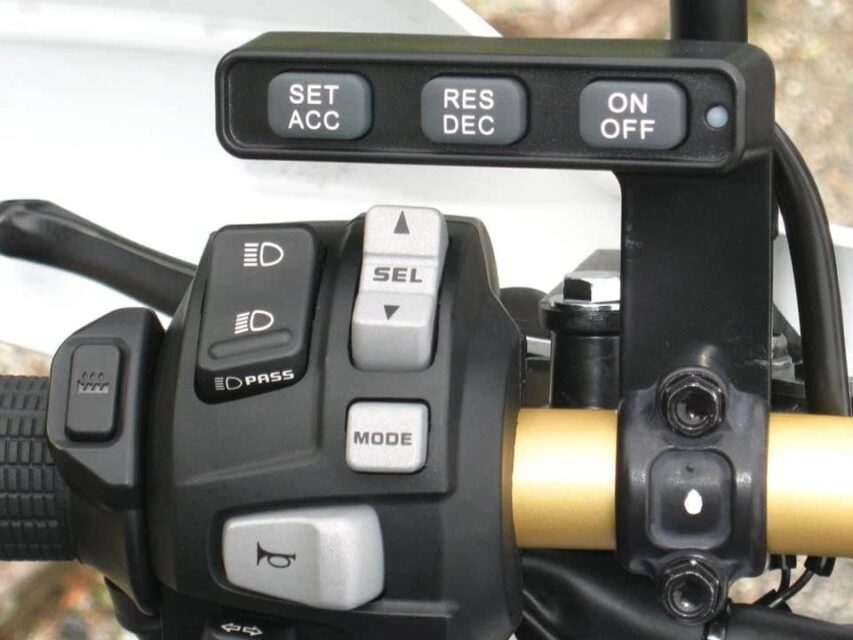
When engaging cruise control on the highway, ensure your lane is clear and there are no vehicles stopping ahead. As you’re learning how to operate a vehicle, understanding cruise control will help increase your comfort behind the wheel and knowledge of driving. He was also elected the president of the Society of Automotive Engineers (SAE) in 1936. Ralph Teetor’s legacy proves that despite disability, engineers can defy the odds and create something that completely revolutionizes technology and improves lives. He developed a talent for feeling mechanical objects and designing parts despite his disability. By the early 1990s, car manufacturers had begun building upon cruise control with new technologies, and the following decades have seen Teetor’s analog method of speed management traded with a digital approach.
Looking for a Driving Course?
Collaboration with health authorities and strict adherence to their guidelines is essential. As someone passionate about traveling, I completely understand the disappointment and frustration resulting from the CDC’s action to suspend cruise activities during the COVID-19 pandemic. Its presence in popular culture highlights the significance and widespread use of this technology, while also shaping public perception of its effectiveness and convenience.
This highlighted the importance of incorporating watertight compartments that extend higher on modern ships, to prevent rapid flooding and improve overall safety. One of the key lessons learned was the need for sufficient lifeboats for all passengers and crew. The Titanic only had enough lifeboats to accommodate about half of the people on board, which proved to be a fatal oversight. As a result, regulations were put in place to ensure that all ships carry enough lifeboats to accommodate everyone on board. In conclusion, the CDC’s pause on cruising has dealt a devastating blow to the travel industry, causing financial losses and job cuts across the board.
Future of Cruises from Florida
Weather conditions such as snow, rain or fog could also confuse the sensors and adversely affect the adaptive cruise control system. A year later, its popularity influenced Chrysler to offer Speedostat on all car models. Next came General Motors’ Cadillac Division, which re-christened and marketed the device as “Cruise Control.” Over the next decade, Cruise Control continued as a convenient, though not essential, feature. All that changed dramatically in 1973, when the Organization of Petroleum Exporting Countries (OPEC) imposed an embargo against the United States. Teetor’s remarkable innovation emerged as a widely-accepted, gas-conserving motorist tool. Studies at the time showed that the national speed limit prompted by the oil embargo saved 167,000 barrels of oil a day.
How the Cruise Industry Has Evolved in 50 Years
Various features like speed adjustment, resume, and cancel make it more convenient and user-friendly. Speed regulation methods were rudimentary at best, with drivers relying on their own instincts and the limited control offered by early speed control devices. These devices included throttle restrictors, which limited the amount of fuel delivered to the engine, and governor systems, which used mechanical mechanisms to regulate engine speed. However, these early attempts at speed control were far from perfect, often resulting in jerky acceleration and deceleration. As you can see, cruise control is a great way to relieve much of the stress that comes with everyday driving.
As a passenger on the Freedom of the Seas test cruise, I am eager to witness the positive impact on Florida’s economy. The sinking of the Titanic in 1912 was a devastating event that resulted in the loss of over 1,500 lives. As we delve into the section about passenger capacity and size differences, it becomes apparent how these size disparities have affected the ability to accommodate more passengers.
Cruise lines have incurred substantial losses, and many related businesses have also suffered. The industry’s future recovery depends on various factors, including the control of the pandemic. Cruise lines face numerous obstacles in ensuring the safety of passengers and crew members. One major challenge is maintaining social distancing and sanitization measures on board.
He eventually became the President of the company and tinkered away on his own small projects too. After high school, many universities refused his applications based on his disability. Nonetheless, he eventually got enrolled at the University of Pennsylvania in the mechanical engineering department. While millions of people use cruise control every day, many wouldn’t know that it was invented by a blind engineer. Necessity truly is the mother of invention, as proven by the story of the invention of cruise control by a blind man. Cruise control is that wonderful thing that keeps us from getting speeding tickets and saves the headache of pumping the pedal on freeways.
However, it is essential to acknowledge the potential negative effects of relying too heavily on these technologies. As we continue to embrace new advancements, finding a balance between enhancing the driving experience and maintaining driver engagement remains crucial. As early as the late 1700s, engineers began using cruise control-type technology to control steam engines. Ralph Teetor was personally inspired to create cruise control for cars after a few too many frustrating drives with his lawyer, who had a nasty habit of speeding up and slowing down too frequently.
When it comes to ship propulsion systems, the debate between steam power and modern propulsion systems is a fascinating one. When it comes to size, the Titanic was certainly impressive, but how many people could it actually accommodate? The Titanic had a maximum capacity of around 3,547 passengers and crew members. It was a marvel of engineering, measuring approximately 882 feet long and weighing around 46,328 tons. With its grandeur and luxurious amenities, the Titanic represented the epitome of luxury travel in the early 20th century. Alfons is the visionary leader and driving force behind Voyager Info’s success.



No comments:
Post a Comment